
Dogs are remarkable creatures known for their loyalty, intelligence, and keen senses. One fascinating aspect of dogs’ abilities is their sense of time, particularly their anticipation of their owners’ arrival. In this blog post, we’ll explore how dogs perceive time and the behaviors they exhibit when sensing their owners are about to arrive home.
Understanding Dogs’ Sense of Time
Temporal Awareness: Dogs have a sense of time that allows them to differentiate between various periods, such as morning, afternoon, and evening. This temporal awareness is influenced by daily routines, activities, and environmental cues.
Internal Clock: Dogs’ internal clocks regulate their biological rhythms, including sleep-wake cycles, hunger, and activity levels. They become accustomed to regular schedules and anticipate events based on these rhythms.
Social Bonds: Dogs form strong emotional bonds with their owners and develop routines and rituals around their presence and absence. They rely on cues and patterns to predict when their owners will return home.
Sensory Perception: Dogs have highly developed senses, including keen hearing and smell, which allow them to detect changes in their environment and anticipate familiar sounds and scents associated with their owners’ arrival.
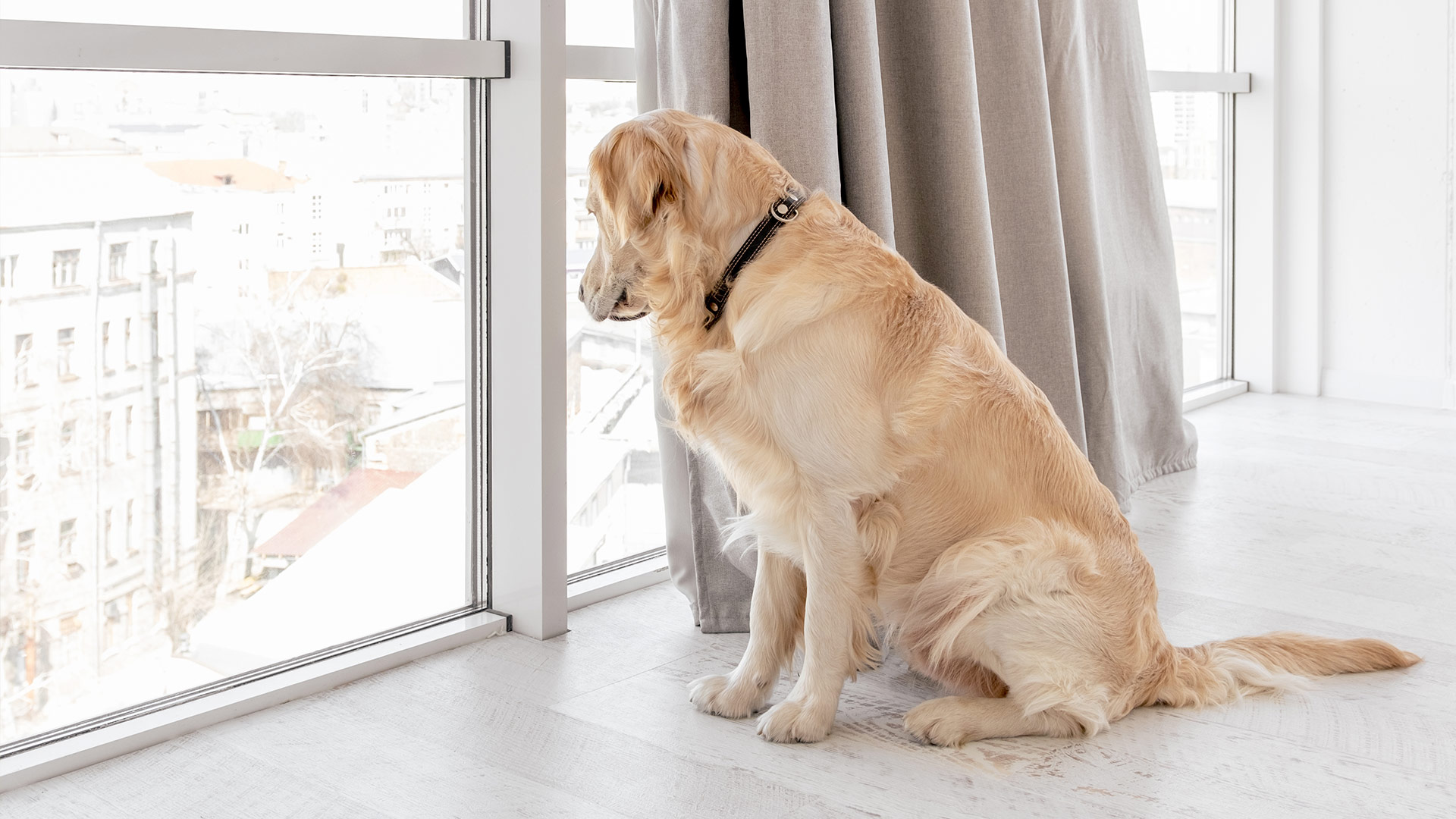
Behavioral Responses: Dogs exhibit specific behaviors when they sense their owners are about to arrive, such as waiting by doors or windows, increased alertness, excitement, and vocalizations.
How Dogs Sense Their Owners’ Arrival
Routine Recognition: Dogs learn and adapt to their owners’ routines, such as work schedules and daily activities. They associate specific times of day with their owners’ return home.
Familiar Sounds: Dogs recognize familiar sounds associated with their owners’ arrival, such as car engines, footsteps, door unlocking, or keys jingling. These auditory cues trigger anticipation and excitement.
Scent Recognition: Dogs have a keen sense of smell and can detect their owners’ unique scent, even from a distance. They become alert and attentive when they catch familiar scents signaling their owners’ presence.
Visual Clues: Dogs may observe external cues like neighborhood activity or changes in lighting that coincide with their owners’ typical arrival times. They use visual cues to predict when to expect their owners.
Emotional Connection: Dogs’ anticipation of their owners’ arrival is also driven by their emotional connection and desire for companionship. They eagerly await the return of their beloved humans and express joy and affection upon reunion.
Behaviors Dogs Exhibit When Anticipating Their Owners’ Arrival
Waiting by Entry Points: Dogs often wait near doors, windows, or gates through which their owners usually enter the home. They may pace, stand alert, or listen intently for approaching sounds.
Excitement and Tail Wagging: As the anticipated arrival time approaches, dogs show signs of excitement, including wagging tails, barking or vocalizing, and increased energy levels.
Checking for Signs: Dogs may check for visual or auditory signs of their owners’ arrival, such as looking out windows, sniffing the air, or listening for familiar cues.
Vocalizations: Some dogs may vocalize with barks, whines, or howls when they sense their owners are nearby or about to arrive, expressing their eagerness and anticipation.
Physical Pacing or Restlessness: Dogs may exhibit pacing behavior or restlessness as they await their owners, unable to contain their anticipation and excitement.
The Bond Between Dogs and Their Owners
Mutual Affection: Dogs’ anticipation of their owners’ arrival reflects the strong bond and affection they have for their human companions. They eagerly anticipate reunions and cherish moments of togetherness.
Emotional Well-being: Anticipating their owners’ return contributes to dogs’ emotional well-being, providing them with comfort, security, and a sense of belonging within their family unit.
Trust and Dependence: Dogs trust their owners to fulfill their needs for care, attention, and companionship. Anticipating their return demonstrates dogs’ dependence on and attachment to their human caregivers.
Dogs’ ability to sense time and anticipate their owners’ arrival is a testament to their intelligence, sensitivity, and deep emotional connection with humans. By understanding how dogs perceive time and express anticipation, we gain insight into the remarkable bond between dogs and their owners, characterized by love, loyalty, and companionship.


