
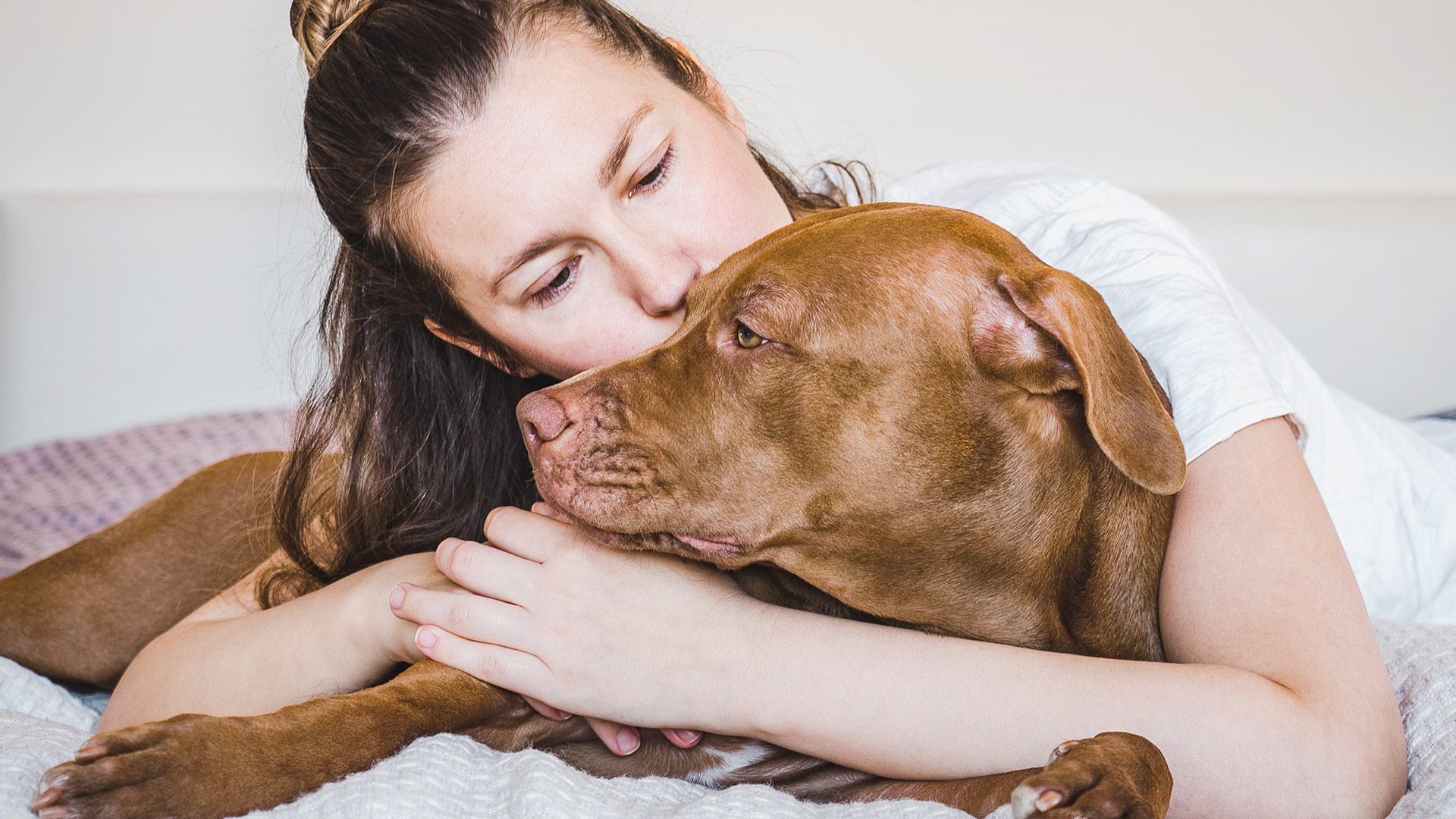
Pet grooming is not just about keeping your furry friend looking clean and tidy; it plays a crucial role in maintaining their overall well-being. From improving their physical health to boosting their mental and emotional state, pet grooming has far-reaching benefits for our beloved companions. In this blog post, we’ll dive into the science behind pet grooming and explore how it positively impacts your pet’s physical and mental health.
Understanding Pet Grooming
Pet grooming encompasses a range of activities aimed at maintaining a pet’s hygiene, appearance, and overall health. This includes brushing, bathing, nail trimming, ear cleaning, dental care, and coat conditioning. While grooming is often associated with aesthetics, its effects extend beyond outward appearance to affect your pet’s internal health and emotional state.
The Physical Benefits of Pet Grooming
Healthy Skin and Coat: Regular grooming removes dirt, debris, and dead hair from your pet’s coat, preventing matting, tangles, and skin irritations. It promotes healthy skin by stimulating natural oil production and circulation, leading to a shiny, lustrous coat.
Allergen Reduction: Grooming helps reduce allergens such as dander and pollen that can accumulate in your pet’s fur, benefiting both pet owners and allergic individuals in the household.
Parasite Prevention: Grooming allows for early detection of fleas, ticks, mites, and other parasites, enabling prompt treatment and preventing infestations that can harm your pet’s health.
Dental Health: Regular brushing and dental care prevent plaque buildup, tartar formation, gum disease, and tooth decay, promoting good oral hygiene and preventing dental issues that can affect overall health.
Ear and Eye Care: Cleaning your pet’s ears and eyes during grooming removes dirt, wax, and debris, reducing the risk of infections, irritation, and discomfort.
The Mental and Emotional Benefits of Pet Grooming
Bonding and Trust: Grooming sessions provide opportunities for bonding and building trust between you and your pet. It fosters a positive association with touch, handling, and grooming tools, strengthening your relationship.
Stress Relief: Gentle grooming techniques, such as massage and brushing, promote relaxation, reduce stress levels, and soothe anxiety in pets, especially during grooming sessions at home or in a calm environment.
Mental Stimulation: Grooming activities, such as brushing, combing, and nail trimming, provide mental stimulation, sensory input, and tactile experiences that engage your pet’s senses and cognitive function.
Socialization: Regular grooming introduces your pet to different sounds, sensations, and interactions, contributing to their socialization skills and comfort with handling by veterinarians, groomers, and other caregivers.
Confidence Boost: Pets that are well-groomed and comfortable with grooming routines exhibit confidence, positive body language, and a sense of well-being, reflecting their overall mental and emotional health.
The Science Behind Pet Grooming
Skin and Coat Health: Grooming removes dead hair, debris, and excess oils from the skin and coat, allowing for better air circulation, moisture balance, and temperature regulation. It prevents skin infections, hot spots, and dermatitis by keeping the skin clean and free from irritants.
Circulation and Blood Flow: Brushing and massage techniques during grooming stimulate blood circulation, lymphatic drainage, and nerve endings, promoting overall circulation and immune function.
Muscle Tone and Flexibility: Regular grooming encourages pets to stretch, move, and maintain muscle tone, joint flexibility, and range of motion, especially beneficial for senior pets or those with mobility issues.
Emotional Well-Being: Grooming triggers the release of endorphins, oxytocin, and serotonin in pets, leading to feelings of pleasure, relaxation, and well-being. It reduces cortisol levels, stress hormones, and anxiety, contributing to a positive mood and emotional balance.
Behavioral Benefits: Pets that undergo regular grooming exhibit calmer behavior, reduced aggression, and improved focus and attention, as grooming promotes self-soothing behaviors and relaxation responses.
Tips for Effective Pet Grooming
Start Early: Introduce grooming to your pet at a young age to acclimate them to the process, tools, and handling. Use positive reinforcement, treats, and praise to create a positive grooming experience.
Use the Right Tools: Choose grooming tools, such as brushes, combs, nail clippers, and shampoos, suited to your pet’s breed, coat type, and grooming needs. Consult with a groomer or veterinarian for recommendations.
Establish a Routine: Develop a regular grooming schedule based on your pet’s grooming requirements, such as brushing daily, bathing monthly, and nail trimming as needed. Consistency is key to maintaining your pet’s health and appearance.
Be Gentle: Use gentle, patient, and reassuring techniques during grooming to avoid causing discomfort, stress, or fear in your pet. Take breaks as needed and observe your pet’s body language for signs of distress.
Monitor Health Changes: During grooming, observe your pet’s skin, coat, eyes, ears, teeth, and overall condition for any abnormalities, such as lumps, redness, odors, or changes in behavior. Report any concerns to your veterinarian promptly.
Pet grooming is not just a cosmetic activity; it’s a holistic approach to caring for your pet’s physical, mental, and emotional well-being By understanding the science behind pet grooming and its impact on your pet’s health, you can provide them with the best care possible. Regular grooming is essential for maintaining your pet’s skin and coat health. Brushing removes loose hair, dirt, and debris, preventing matting and tangling. It also stimulates the skin, promoting natural oil distribution and a healthy coat shine. For pets with longer hair or thick coats, regular grooming helps prevent skin infections and hot spots by keeping the coat free from moisture and irritants. In addition to physical benefits, grooming plays a significant role in your pet’s mental and emotional well-being. Grooming sessions provide opportunities for bonding and trust-building between you and your pet. The gentle touch, soothing strokes, and positive reinforcement during grooming create a positive association with handling and grooming tools, reducing stress and anxiety in your pet.


